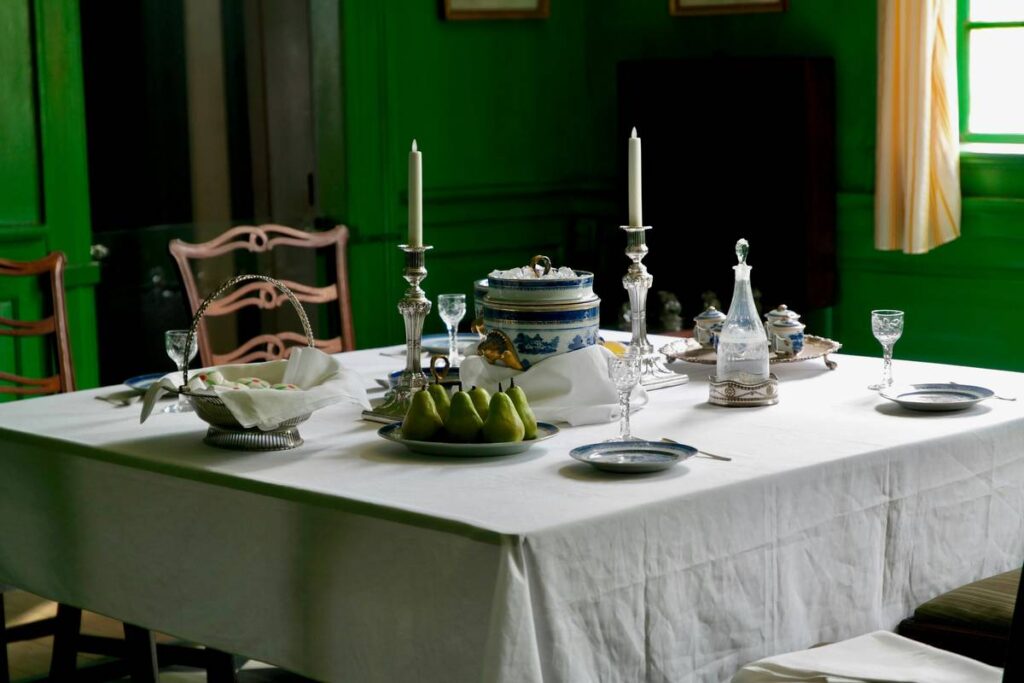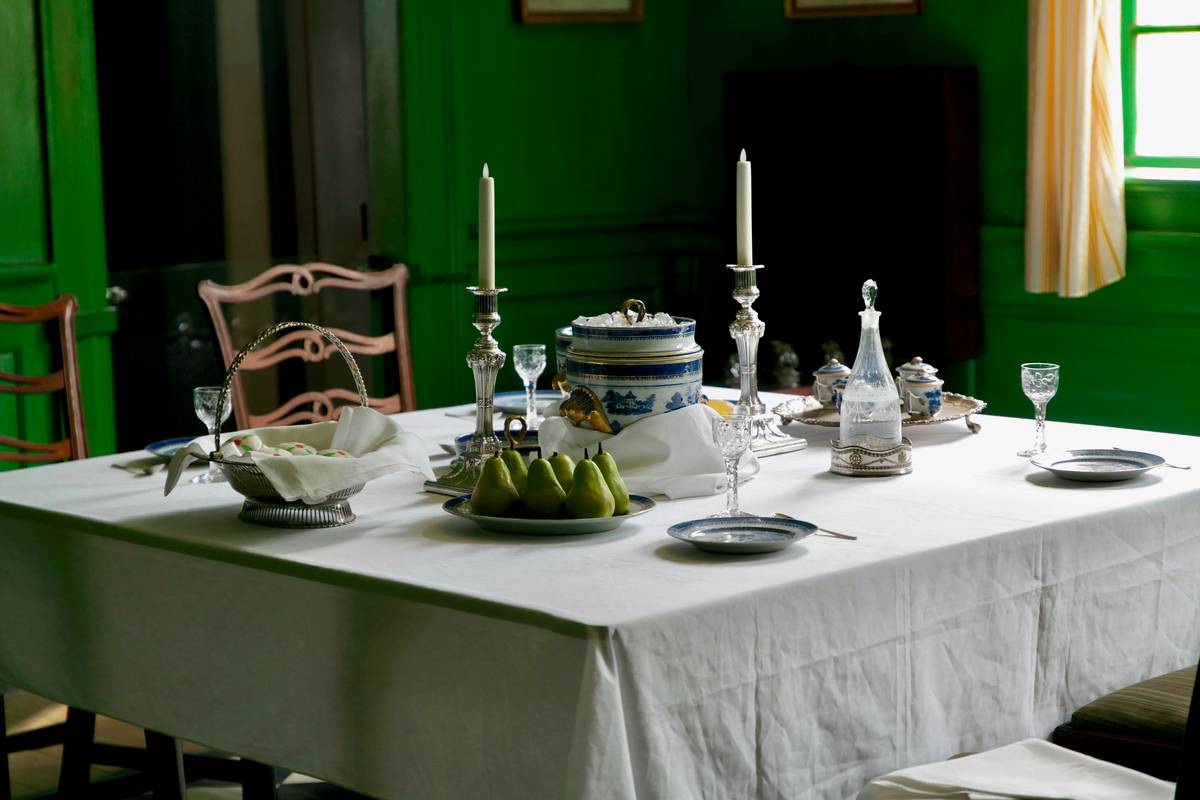
You’ve styled your dining room perfectly—linen napkins folded just so, centerpieces blooming—but then you notice it: plates haphazardly placed, off-center, or worse, stacked like cafeteria leftovers. It throws the whole vibe off. Why does plate placement feel so trivial yet ruin an otherwise elegant tablescape? Because tableware isn’t just functional—it’s visual punctuation. And dining essential tableware where should plate isn’t about rigid rules; it’s about spatial harmony that guides the guest’s experience.
Why Most Plate Placement Fails (Even in Fancy Homes)
People treat plates like afterthoughts. They buy gorgeous stoneware, then shove it two inches from the edge of the table “to save space.” Or they center everything with robotic precision—ignoring how humans actually reach, eat, and interact. The result? Awkward elbows, spilled wine, and a subconscious sense of discomfort. Table setting isn’t interior design. It’s behavioral design.
And here’s the kicker: luxury brands sell you “dinner sets” but rarely explain *how* to place them in real-world dining scenarios—especially for small tables or mixed seating.
dining essential tableware where should plate: A Practical Step-by-Step Guide
Forget Emily Post. Think ergonomics meets aesthetics. Your plate isn’t just a dish—it’s the anchor of the entire place setting.
Start With the Seat, Not the Plate
Measure 1 inch from the table edge. That’s your baseline. Now, position the dinner plate’s center **12 inches** from that edge. Why? Human arm reach during seated dining peaks around 14–16 inches forward. Leave 2 inches as a buffer for comfort—and crumbs.
Layer With Intention
Soup bowl inside dinner plate? Only if you’re serving soup first. Otherwise, you’re creating unnecessary height that blocks eye contact across the table. Salad plate on top? Fine—but remove it after the course. Clutter kills ambiance faster than mismatched silverware.
Account for Table Shape
Round tables demand radial symmetry—plates should form a clean circle, not drift toward the center. Rectangular tables? Keep consistent spacing along the long axis. Corner seats get trickier: angle the plate slightly inward so the guest doesn’t feel “cut off.”

| Table Type | Plate Center Distance from Edge | Spacing Between Settings | Common Mistake |
|---|---|---|---|
| Standard Rectangular (6-seater) | 12 inches | 24 inches | Plates too close to edge—elbows hang off table |
| Round Pedestal (4-seater) | 10–11 inches | Equal arc spacing | Plates drifting toward center, blocking conversation |
| Small Apartment Table (2-seater) | 9 inches | N/A | Overloading with multiple plates—use one versatile piece |

The Industry Secret No One Talks About
High-end hotels and Michelin-starred restaurants don’t use rulers. They use “visual weight mapping.” Here’s how it works: before placing a single fork, they imagine a grid over the table—dividing it into zones of attention. The plate sits in the primary zone (center-left for right-handed majority), while glassware occupies secondary zones. But the real secret? They adjust plate placement based on the menu. Serving heavy pasta? Plate moves slightly left to favor dominant hand cutting. Light salad course? Centered for balance. Your dinner party isn’t static—it’s choreography. Stop setting the table hours ahead. Do it *after* finalizing the menu.
Frequently Asked Questions
Where exactly should the dinner plate go on the table?
Center the plate 12 inches from the table’s edge. This aligns with natural arm reach and leaves room for side dishes without crowding.
Should the plate be centered with the chair or the table?
With the chair. Each place setting is personal. Align the plate to the guest’s seat—not the table’s geometric center—especially on long or irregular tables.
Can I skip the charger plate for everyday dining?
Absolutely. Charger plates are purely decorative. For daily use, one well-chosen dinner plate enhances both function and style—no extra layers needed.