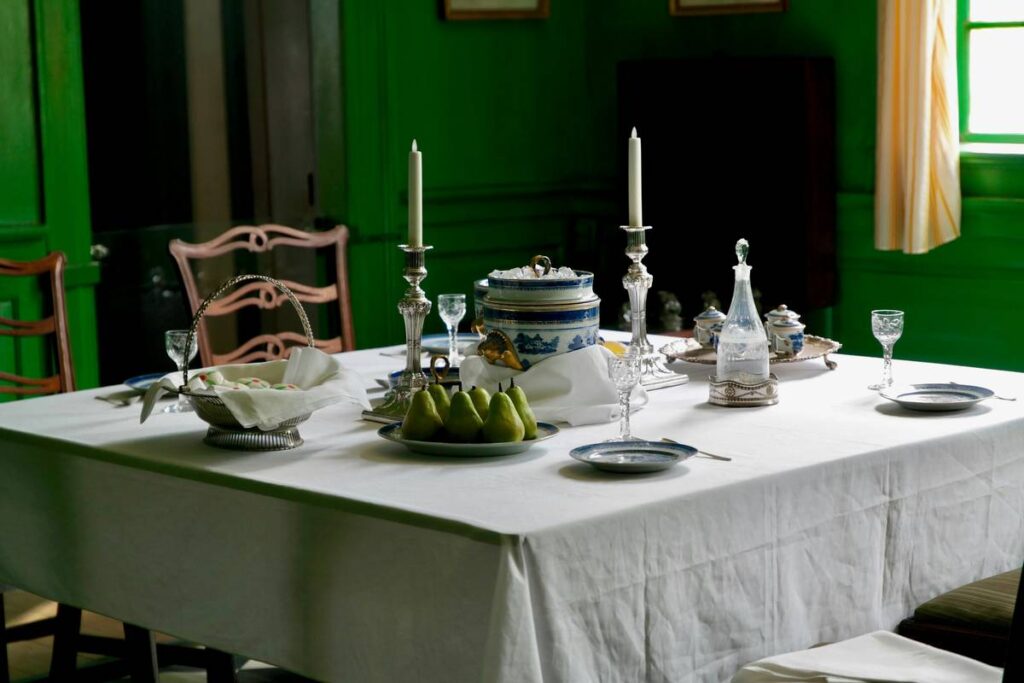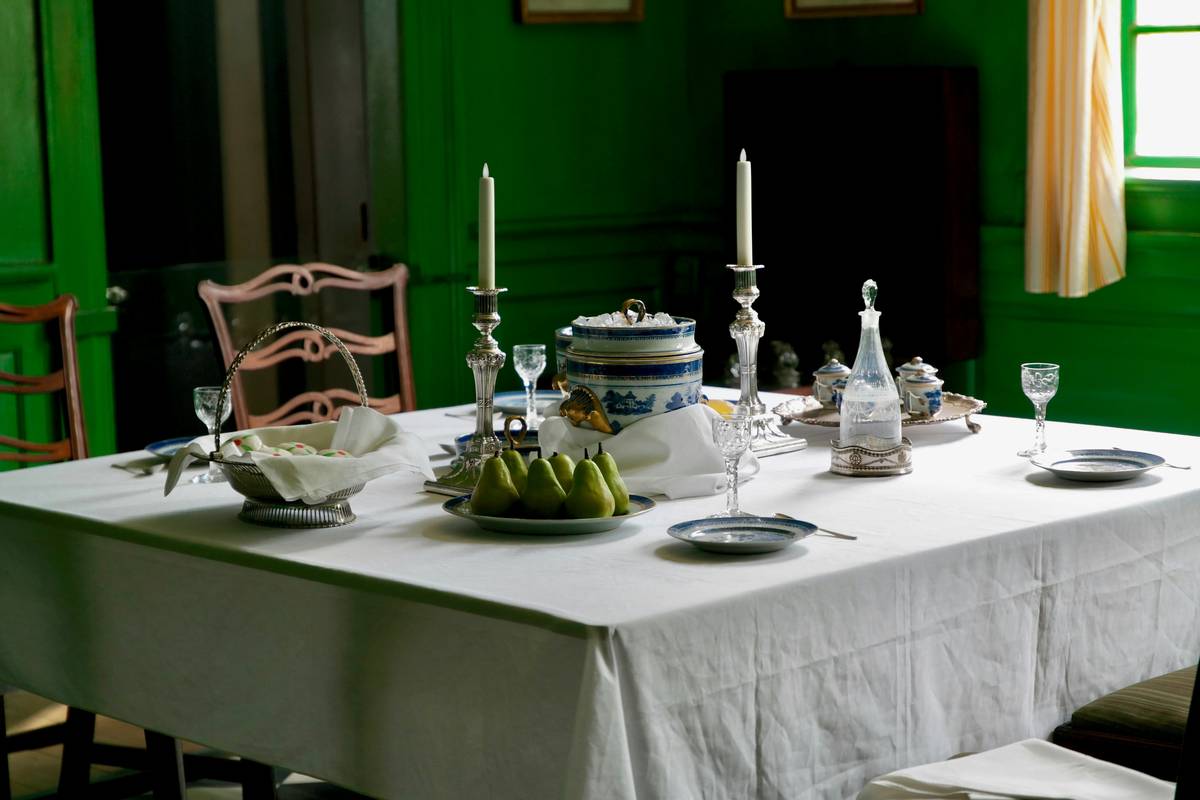
You bought a stunning decorative platter tableware where should a piece like that actually go? Stashed in a cabinet? Buried under takeout containers? Most homeowners treat these heirloom-worthy centerpieces like afterthoughts—then wonder why their dining room feels flat. The truth? A well-placed platter transforms dead space into focal magic. Let’s fix that.
Why “Just Put It on the Table” Backfires
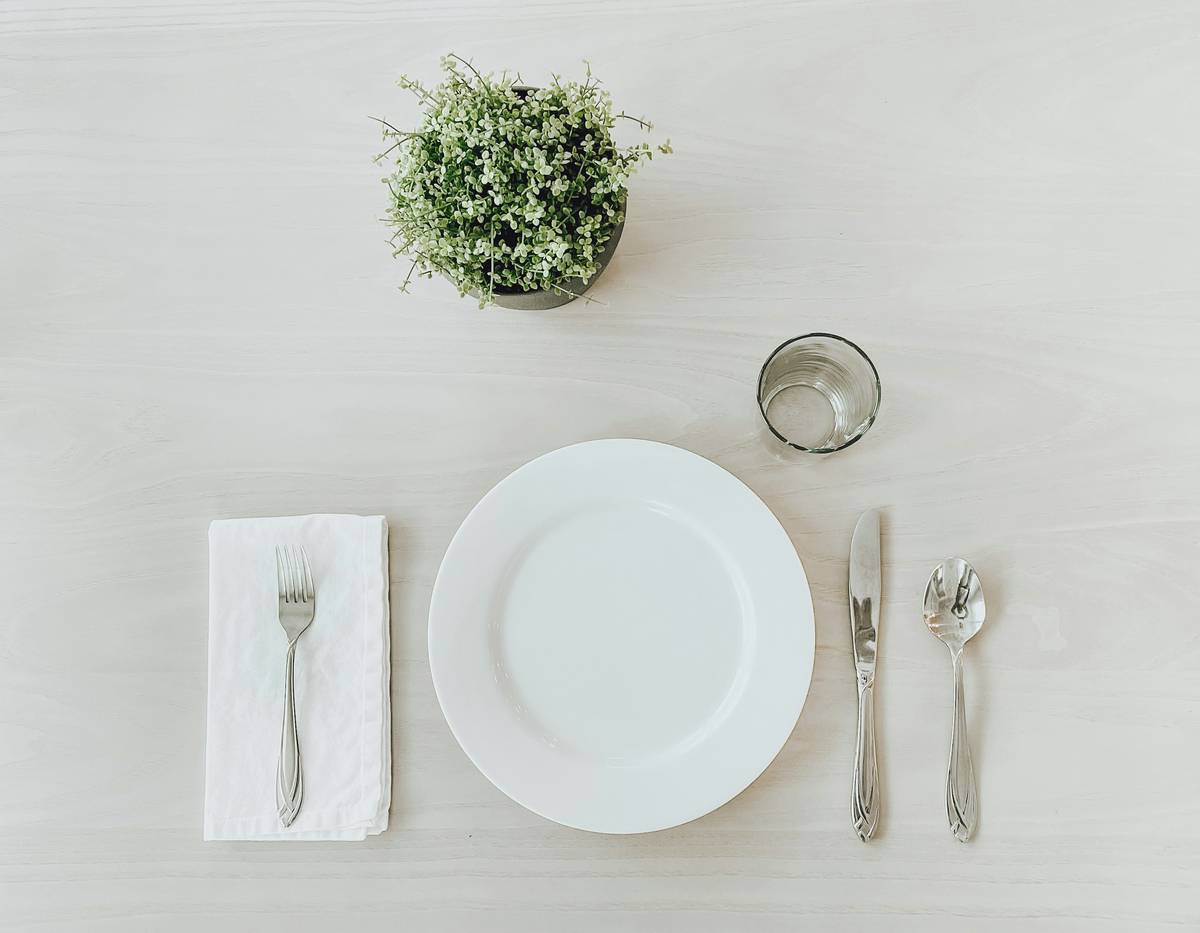
Slapping a gorgeous ceramic platter dead-center on your dining table seems obvious. But it’s rarely right. Unless you’re actively serving, it becomes visual noise—not elegance. Empty platters on tables invite clutter: mail piles up, keys scatter, kids stack homework. Beauty drowns in functionless limbo.
And lighting matters more than you think. Harsh overhead LEDs flatten texture. A platter meant for candlelit dinners looks cheap under fluorescents. Placement without context kills impact.
Decorative Platter Tableware Where Should a Masterpiece Reside? (Your 4-Step Strategy)
Step 1: Audit Your Sightlines
Stand in your main entry point—kitchen doorway or living room archway. Where does your eye land first? That’s your prime real estate. Platters thrive where they’re seen, not touched.
Step 2: Match Material to Mood
Metallic platters? Display near mirrors or glass—they amplify shimmer. Matte stoneware? Lean it against rustic wood shelves. Texture harmony beats symmetry every time.
Step 3: Rotate With Seasons (Seriously)
A summer citrus-patterned platter looks jarring next to winter candles. Swap twice a year. Keeps your space feeling curated, not stagnant.
Step 4: Break the “Flat Surface Only” Myth
Hang that platter. Use discreet plate hooks or a floating ledge. Vertical display saves counter space and adds gallery-wall intrigue.
| Placement Zone | Best For | Avoid If… | Cost (USD) |
|---|---|---|---|
| Wall-mounted (floating shelf) | Fragile, hand-painted, or oversized pieces | Your walls lack structural support | $15–$40 (shelf + hardware) |
| Coffee table vignette | Small metal or mirrored platters | You have toddlers or pets prone to knocking things | $0 (uses existing furniture) |
| Kitchen island runner | Durable ceramic with neutral tones | Island gets daily heavy prep use | $0–$10 (add linen underneath) |
| Entry console centerpiece | Statement platters over 14 inches | Entryway is narrow or high-traffic | $0–$25 (pair with small vase or bowl) |
The Industry Secret: Stage It Like a Museum—Not a Store
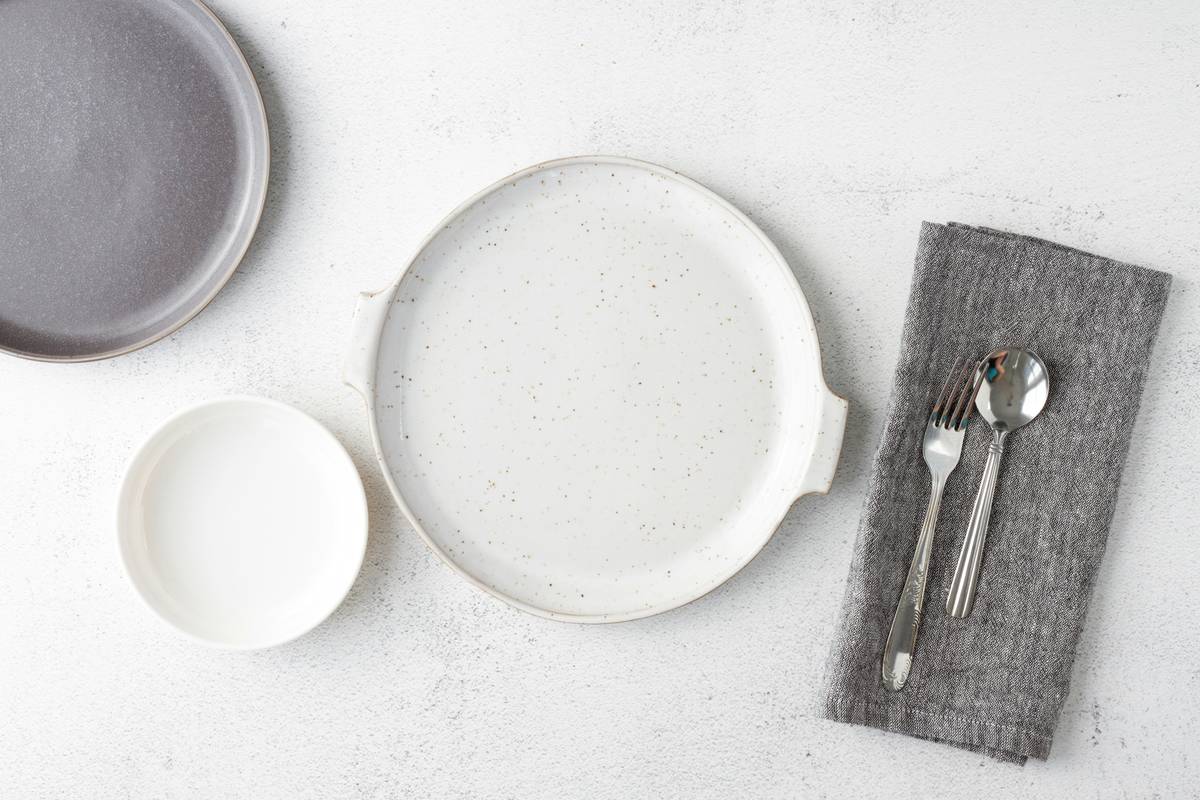
Here’s what luxury interior stylists won’t tell you: negative space is your platter’s best friend. Crowding it with six trinkets screams “decor dump.” Give it breathing room—minimum 8 inches of clear surface on all sides. And never place it flush against a wall. Angle it slightly forward, like art in a gallery. Why? Light catches the rim, casting subtle shadows that add depth. The math is simple: isolation = perceived value. A $40 platter looks like $400 when staged alone on a matte-black console. Try it tonight.
Frequently Asked Questions
Where should a decorative platter be placed in a small apartment?
Lean it vertically on a bookshelf or hang it on an empty kitchen wall. Saves surface space while adding personality.
Can I use a decorative platter for actual food?
Only if labeled food-safe. Many are sealed with non-edible glazes. When in doubt, use a doily or liner.
How often should I clean my decorative platter?
Dust weekly with a microfiber cloth. Deep clean only if visibly soiled—harsh cleaners strip finishes over time.