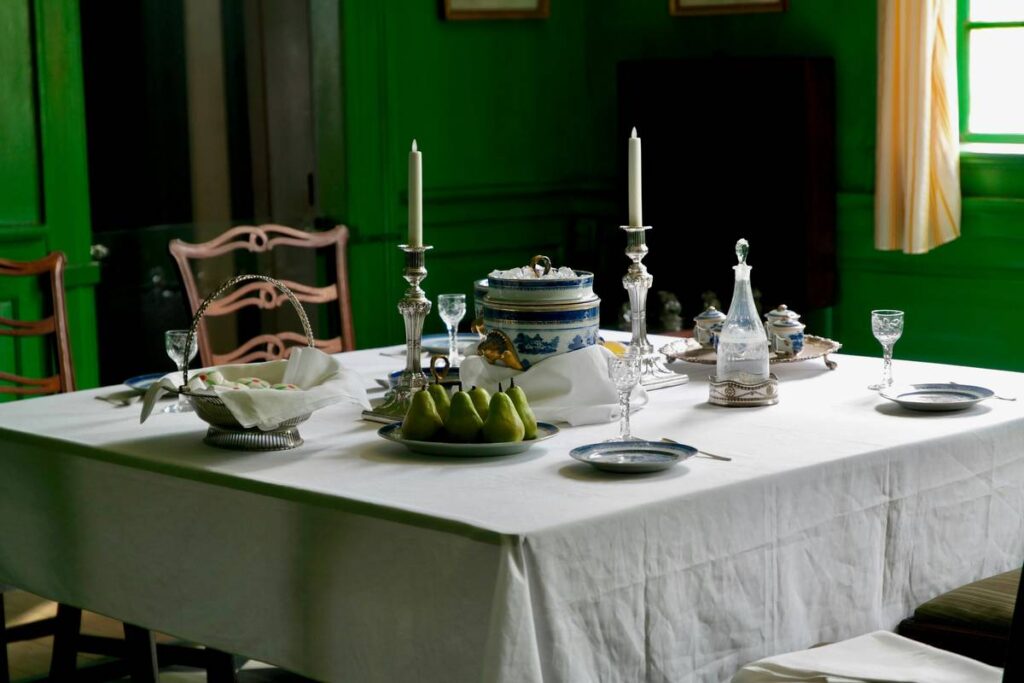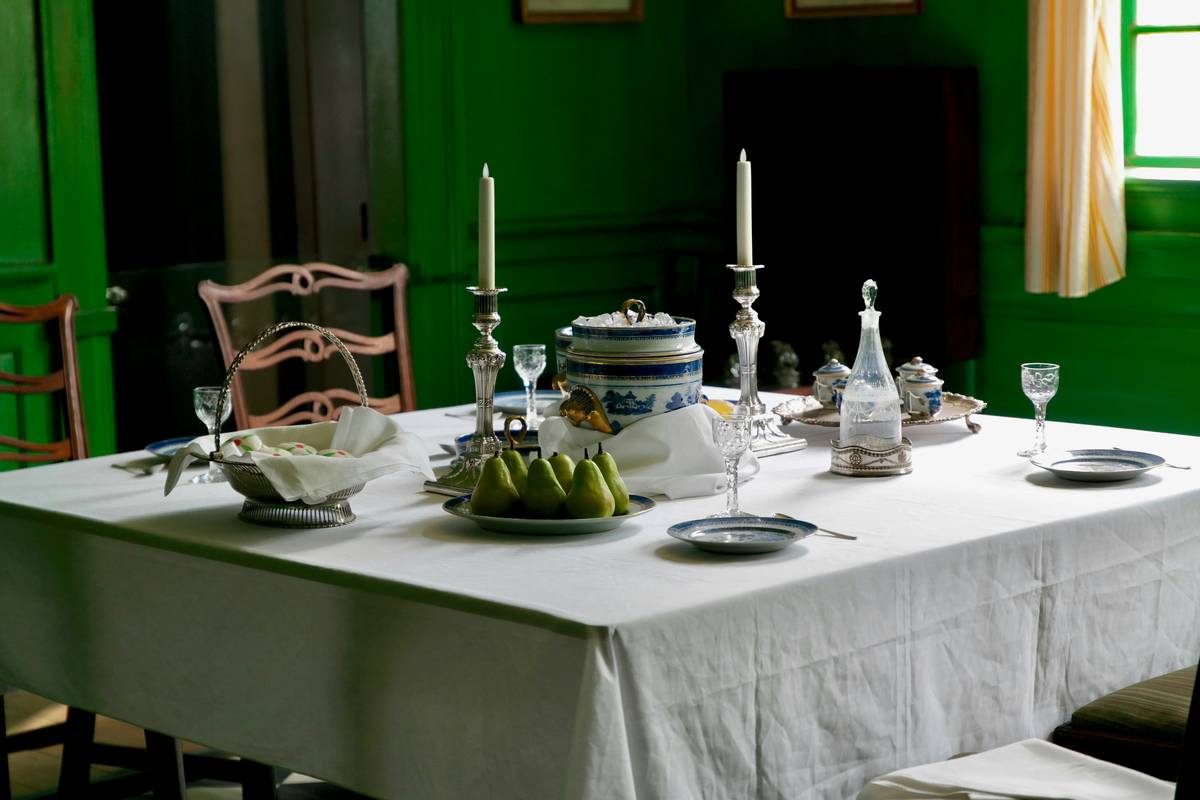
You bought a stunning decorative platter—hand-glazed, artisan-crafted, maybe even imported. But now it’s just… sitting there. On the counter. Or worse, shoved in a cabinet behind last year’s mismatched bowls. You’re not using it because you don’t know where it belongs on the table. And that uncertainty kills its purpose before it ever gets a chance.
The Core Problem: Why Most People Misplace Decorative Platters
Conventional wisdom says “just put it in the center.” That’s lazy—and often wrong. A poorly placed platter disrupts flow, crowds guests, or disappears visually against cluttered linens. Worse, many assume decorative = non-functional and relegate these pieces to shelves like trophies. But here’s the reality: if it’s never used, it’s just expensive storage.
And most guides ignore scale, occasion, and sightlines—the invisible architecture of tabletop design.
Decorative Platter Tableware Where Should Plate: A Step-by-Step Guide
Placement isn’t guesswork. It’s geometry meets hospitality. Follow this sequence—and stop second-guessing every dinner party setup.
Assess Your Table Shape First
Round tables demand radial symmetry. Rectangular ones thrive on axial balance. Oval? Treat it like a rectangle—but soften the edges with curved arrangements. Never place a square platter dead-center on an oval table; it fights the form.
Start With Function, Not Just Beauty
Is the platter holding appetizers? Then it goes within easy reach—typically 6–8 inches from the edge. Serving bread? Near the main course plates, but not overlapping utensil zones. Purely ornamental? Elevate it slightly (a small riser works) so it reads as intentional, not accidental.
Consider Guest Traffic Patterns
People pass dishes left-to-right in Western cultures. Place your decorative platter so it doesn’t block that flow. If it’s large (>14”), position it toward the head or foot of the table—not the long sides—unless you’ve got elbow room to spare.

| Platter Purpose | Ideal Placement Zone | Avoid At All Costs | Pro Tip |
|---|---|---|---|
| Serving Appetizers | Within 8” of table edge, near host seat | Buried behind water glasses or candles | Use odd numbers—group 3 small platters asymmetrically for visual rhythm |
| Holding Bread or Rolls | Between main course plates or at 10/2 o’clock positions | Directly in front of any guest’s plate | Pair with linen napkin tucked underneath for soft contrast |
| Purely Decorative | Center axis—but elevated on a stand or stack of books | Flat on busy patterned tablecloths | Match platter tone to wall art or rug hues for spatial continuity |
Lighting Dictates Visibility
A matte-finish platter under dim lighting? It’ll vanish. Glossy metallics? They’ll glare under LEDs. Test placements during actual dinner-hour light. Move it until it catches the eye without fighting for attention.

The Industry Secret: The “Ghost Plate” Technique
Top interior stylists don’t just place platters—they choreograph negative space. Here’s how: imagine each guest has an invisible “personal zone” extending 12 inches from their seated position. Nothing functional should cross into that unless handed directly. Decorative platters live in the communal “no man’s land” between zones. But—here’s the secret—they must echo the shape of the table. Circular platter on round table? Obvious. But try an elongated oval platter on a rectangular table rotated 15 degrees off-axis. It creates subtle tension that feels curated, not chaotic. This trick fools the eye into perceiving more space—even on cramped tables.
Frequently Asked Questions
Can I use a decorative platter as a charger plate?
Only if it’s food-safe and flat-bottomed. Many decorative pieces have raised rims or porous finishes—bad news under real dinnerware. When in doubt, layer a clear glass disk on top.
Where should I place multiple decorative platters?
Vary heights and sizes. Put the largest at the table’s visual anchor (head or center), smaller ones offset along sightlines. Never line them up like soldiers—that screams catalog, not home.
Does platter material affect placement?
Absolutely. Heavy stone or ceramic stays low and centered—it grounds the table. Lightweight metal or lacquer can float near edges or even hang on nearby walls when not in use.